
The Benefits of Exploring the World on Your Own

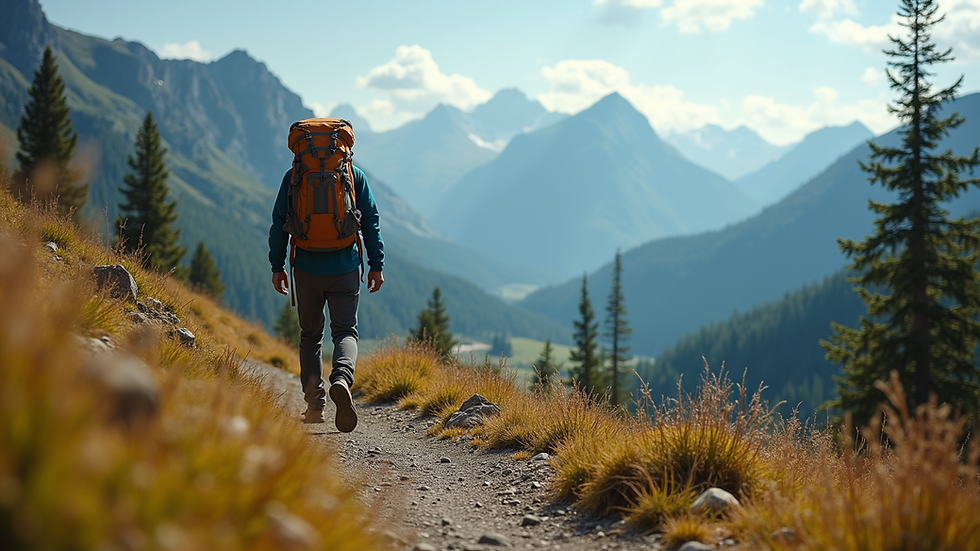
There’s a certain clarity that only comes when you step into the wild alone. No chatter, no group consensus, no one else’s agenda. Just you, your pack, and the choices you make along the way. Solo backpacking isn’t simply about travel—it’s about testing your limits, building resilience, and learning what strength looks like when there’s no one else to lean on.
Why Solo Backpacking?
When you’re out there alone, every decision is yours. Where you camp, when you stop, how hard you push—all of it falls on your shoulders. That freedom can be intimidating, but it’s also liberating. You move at your own pace, follow your instincts, and let the land—not a schedule—set the rhythm.
I’ve had mornings where I lingered at camp just to watch the fog lift off the trees, and afternoons where an unplanned detour led me to water I desperately needed. Those moments wouldn’t have happened if I’d been trying to keep up with someone else’s plan.
Solo backpacking forces you to trust yourself. Navigation errors, gear failures, even the weight of silence—all become part of the test. And every time you solve a problem alone, you carry that confidence with you long after the trip ends.
The Unique Advantages of Going Alone
Group trips have their place, but there are lessons and rewards you only find in solitude:
True Freedom – No compromises. If you want to stop early or push farther, you do it.
Resilience Through Challenge – Gear breaks, weather shifts, fatigue hits—how you respond is all on you.
Deeper Connection to Place – Locals and fellow hikers often open up more to a solo traveler.
Space for Reflection – With no distractions, you hear the wilderness—and yourself—more clearly.
Unexpected Friendships – Ironically, being solo often makes you more approachable on the trail.
Out there, even small victories—like getting a fire going in damp weather or finding the right ridgeline after a wrong turn—hit harder. They’re yours alone, and they shape you.

The “Big Three” That Make or Break You
Ask any seasoned backpacker what matters most in your kit, and you’ll hear about the “Big Three”:
Backpack – This is your foundation. A poor fit will grind you down mile after mile.
Shelter – Tent, tarp, or hammock, your shelter is what stands between you and exposure. Choose wisely for your terrain.
Sleep System – A pad with the right R-value and a bag or quilt suited to your conditions. Don’t skimp—nothing erodes morale faster than a cold, sleepless night.
Dialing in these three items gives you confidence to handle whatever comes. Everything else—food, clothing, extras—is secondary.

Practical Trail Wisdom
Here are a few field-tested habits that keep solo trips from turning into cautionary tales:
Plan, but stay adaptable – Have a route, but be willing to adjust when the land says otherwise.
Share your plan – Someone back home should know where you are and when you’re due out.
Travel light – Every pound you shave off matters more when no one else is there to pick up the slack.
Stay aware – Weather shifts, fatigue, and terrain can snowball quickly if you’re not paying attention.
Trust your gut – If something feels off, it probably is. Respect that instinct.
These aren’t just tips—they’re survival strategies when you’re the only one out there.
How the Wild Changes You
The wilderness doesn’t care who you are. It doesn’t care about your resume, your comfort zone, or your plans. It only responds to what you do in the moment. That honesty is part of why solo backpacking is transformative.
Out there, stripped of distraction, you see yourself more clearly. The land reflects your resilience back at you: your patience when storms hit, your adaptability when gear fails, your persistence when the trail feels endless. And when you come home, that resilience doesn’t stay in the woods—it follows you into everyday life.
Solo backpacking isn’t just a way to see the world. It’s a way to sharpen yourself against it.


Comments